
Welcome to My Blog!
Before we dive into the content, if you’re interested in our products or have any questions, please feel free to visit our Contact Us page on the website. Our team is ready to assist you with inquiries, orders, or any support you may need.
Now, let’s get started on our journey together. I hope you find the content here insightful, engaging, and valuable.
Table of Contents
Ntroduction

Hydraulic cylinders are a core component of hydraulic systems, serving as linear actuators that convert hydraulic energy into mechanical motion. Their primary function is to achieve vertical lifting or position holding of loads, making them indispensable in construction machinery, industrial equipment, and special vehicles. The design must meet three critical requirements: high strength, precise control, and environmental adaptability. Understanding these requirements is crucial for anyone looking to optimize machinery performance or extend equipment lifespan.
In this article, we will explore five essential tips for improving performance, with practical insights, maintenance advice, and safety considerations. These tips are designed to help engineers, technicians, and machinery operators maximize efficiency and avoid common pitfalls.
Ensure High Strength Materials
The durability and performance of lift cylinders largely depend on the materials used. High-strength steel or alloy materials can withstand the pressure and stress generated during heavy lifting tasks. Using substandard materials often leads to premature wear, deformation, or even catastrophic failure, which can halt operations and increase maintenance costs.
When selecting lift cylinders, consider the following material attributes:
- Yield strength
- Tensile strength
- Corrosion resistance
- Fatigue life
Regular inspection of the cylinder body for signs of wear, cracks, or corrosion can prevent unexpected breakdowns and ensure consistent performance.
Maintain Precise Control Systems for Optimal Performance
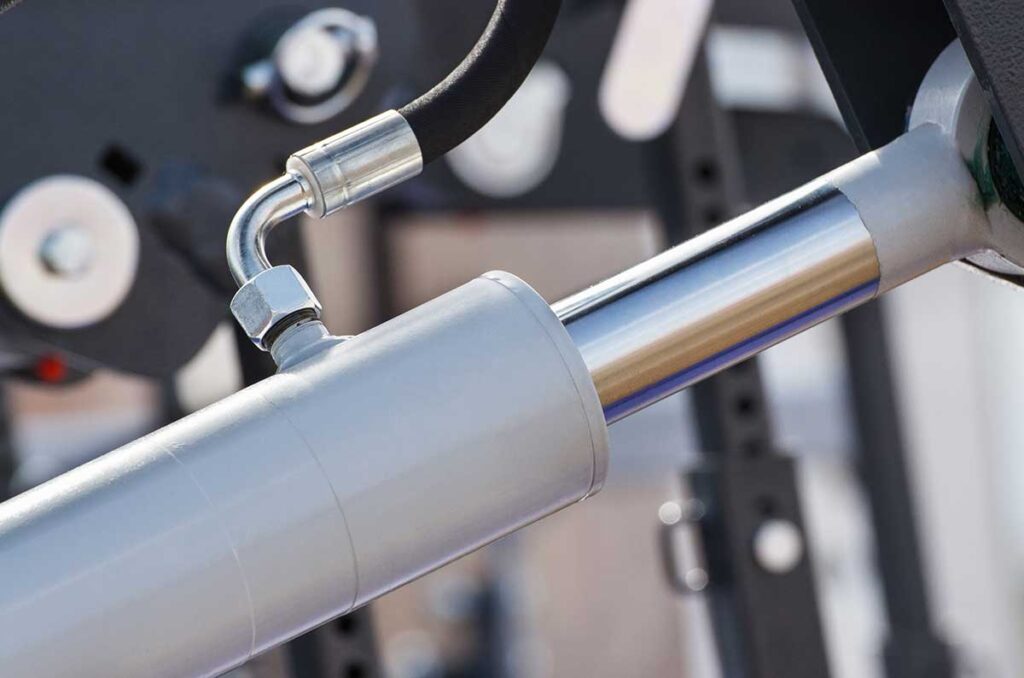
Precise control of lift cylinders is essential for safety and operational efficiency. Hydraulic control valves, sensors, and feedback mechanisms ensure that the cylinder moves smoothly and accurately. Poor control can result in jerky motion, uneven lifting, and potential damage to loads.
Key Aspects of Lift Cylinders Control:
- Flow rate adjustment
- Pressure regulation
- Position feedback accuracy
Investing in high-quality control systems and monitoring them regularly can significantly enhance performance.
Adapt Lift Cylinders to Environmental Conditions
Lift cylinders are often exposed to harsh environments, including extreme temperatures, dust, moisture, and chemicals. Environmental adaptability is therefore critical. Cylinders designed for specific conditions prevent leakage, corrosion, and operational inefficiency.
| Environmental Factor | Recommended Lift Cylinder Feature | Benefits |
|---|---|---|
| Extreme temperatures | High-temperature seals and lubricants | Prevents seal damage and maintains smooth motion |
| Dust and debris | Protective covers and filters | Reduces wear and prolongs cylinder life |
| Corrosive environments | Corrosion-resistant coatings or stainless steel | Ensures durability and lowers maintenance costs |
| Heavy load cycles | Reinforced cylinder walls and pistons | Enhances structural integrity and load capacity |
Using the correct environmental adaptations ensures the lift cylinders operate reliably, even under challenging conditions, reducing downtime and maintenance expenses.
Schedule Regular Maintenance and Inspection
Maintenance is one of the most effective ways to ensure powerful performance of lift cylinders. Routine inspections allow operators to detect wear, leaks, and other issues before they escalate. Key maintenance steps include:
- Lubricating moving parts
- Checking hydraulic fluid levels and quality
- Inspecting seals, hoses, and connections
- Monitoring performance metrics such as lift speed and load stability
Creating a detailed maintenance schedule and adhering to it can dramatically extend the lifespan of lift cylinders while maintaining operational safety.
Implement Safety Practices While Using Lift Cylinders
Safety is a top priority when operating machinery with lift cylinders. Overloading, improper use, or sudden pressure changes can lead to accidents. Operators should follow safety guidelines and training protocols to reduce risks. Key practices include:
- Avoid exceeding load capacity
- Use appropriate safety locks and supports
- Monitor cylinder temperature and pressure
- Provide operator training on emergency procedures
Ensuring safety not only protects personnel but also prevents damage to lift cylinders and connected machinery.
Conclusion
Lift cylinders are indispensable in modern hydraulic systems, and their performance directly impacts machinery efficiency, safety, and longevity. By focusing on high-strength materials, precise control, environmental adaptability, routine maintenance, and safety practices, operators and engineers can ensure powerful and reliable performance. Implementing these five essential tips will help optimize your hydraulic systems, reduce downtime, and maximize productivity.
FAQ
How do I choose the right lift cylinder for my machinery?
Consider load capacity, stroke length, material strength, and environmental conditions. Selecting a cylinder that meets these criteria ensures optimal performance.
What is the typical lifespan of a lift cylinder?
Lifespan depends on usage, maintenance, and operating conditions. With proper care, lift cylinders can last several years in heavy-duty applications.
Can lift cylinders be repaired if damaged?
Many components such as seals, rods, and pistons can be repaired or replaced. However, structural damage may require full cylinder replacement.
How often should I inspect lift cylinders?
Regular inspections are recommended monthly for high-use equipment and quarterly for moderate-use machinery.
Need Help Choosing the Right Lift Cylinders?
If you’re unsure which lift cylinders is best for your project, our experts are here to guide you. Contact us today for a personalized consultation, and ensure your sheet metal and industrial components are manufactured with precision and delivered on time. Don’t wait—get in touch now to optimize your production and achieve flawless results!


 English
  Arabic
  Russian